
Was ist Prompt-Based Experimentation?
Was ist Prompt-Based Experimentation?
Prompt-Based Experimentation beschreibt einen neuen Ansatz, bei dem Experimente über natürliche Sprache gesteuert werden – von der Ideation über die Erstellung bis hin zur Analyse. Generative AI erstellt dabei direkt produktionsreife UI-Varianten, die nahtlos in das bestehende Designsystem und die Codebasis integriert sind.
Der Begriff wird häufig mit „Vibe“-Experimentation verbunden, abgeleitet von „Vibe Coding“. Dabei handelt es sich um die Nutzung natürlicher Sprache zur Entwicklung, Anpassung und Optimierung von Code, wodurch sich schnell Prototypen oder Anwendungen erstellen lassen.
Im Unterschied zu klassischen Ansätzen werden die Varianten nicht extern entwickelt und anschließend integriert. Stattdessen entstehen sie direkt im Produkt – und können sofort getestet werden.
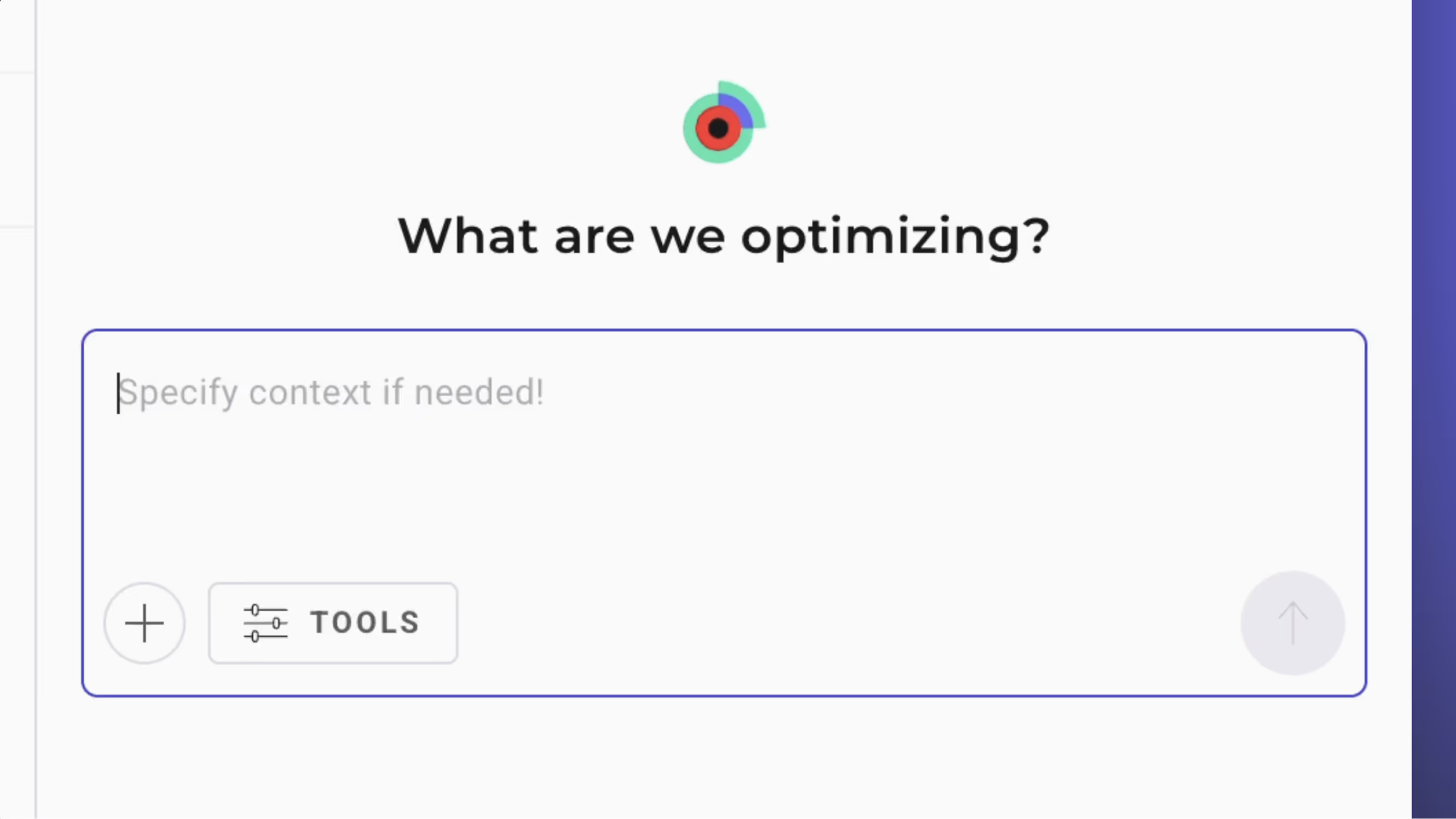
Anstelle von WYSIWYG-Editoren oder manueller Code-Entwicklung definieren Teams bei Prompt-Based Experimentation ihre Experimente über natürliche Sprache: Was soll getestet werden, welche Zielgruppe ist relevant und welche KPIs definieren den Erfolg?
Das Ergebnis ist ein vollständig konfiguriertes Experiment, das sowohl zielgerichtet als auch messbar ist – generiert aus einem einzigen Prompt.
Im Vergleich zu klassischen visuellen Editoren bietet dieser Ansatz deutlich mehr Möglichkeiten. Komplexe Layout-Veränderungen, neue UI-Komponenten und markenkonforme Features lassen sich direkt umsetzen – auch dort, wo herkömmliche Tools an ihre Grenzen stoßen.
Im Unterschied zu „Vibe Coding“ liegt der Fokus nicht auf der Erstellung neuer Anwendungen, sondern auf der kontinuierlichen Optimierung bestehender digitaler Produkte.
Typische Anwendungsfälle umfassen:
- Integration dynamischer „Add-to-Cart“-Elemente innerhalb von Produktlisten
- Implementierung von Sticky Navigationselementen oder CTA-Bars
- Ausspielung personalisierter Pop-ups und Tooltips basierend auf Nutzerverhalten
- Umstellung von Pagination auf Infinite Scroll in Kategorieansichten
- Erstellung interaktiver Elemente wie Quizze, Formulare oder Umfragen
Ein weiterer Vorteil: Die generierten Experimente sind mit den meisten SPA-Architekturen kompatibel. Die AI erkennt das zugrunde liegende Framework und berücksichtigt automatisch technische Besonderheiten, die bei klassischen Editoren häufig problematisch sind.
Wie funktioniert Prompt-Based Experimentation?
Mit Prompt-Based Experimentation (PBX) bietet Kameleoon eine Möglichkeit, Experimente direkt über natürliche Sprache umzusetzen.
Der Einstieg erfolgt über eine kostenlose Browser-Extension, die innerhalb weniger Sekunden installiert ist und das Tool inklusive AI lokal im Browser verfügbar macht.
Nach der Aktivierung können Nutzer:innen per Prompt Optimierungen auf beliebigen Webseiten durchführen. Für den produktiven Einsatz und valide Tests ist jedoch die Integration des entsprechenden Scripts auf der eigenen Website erforderlich.
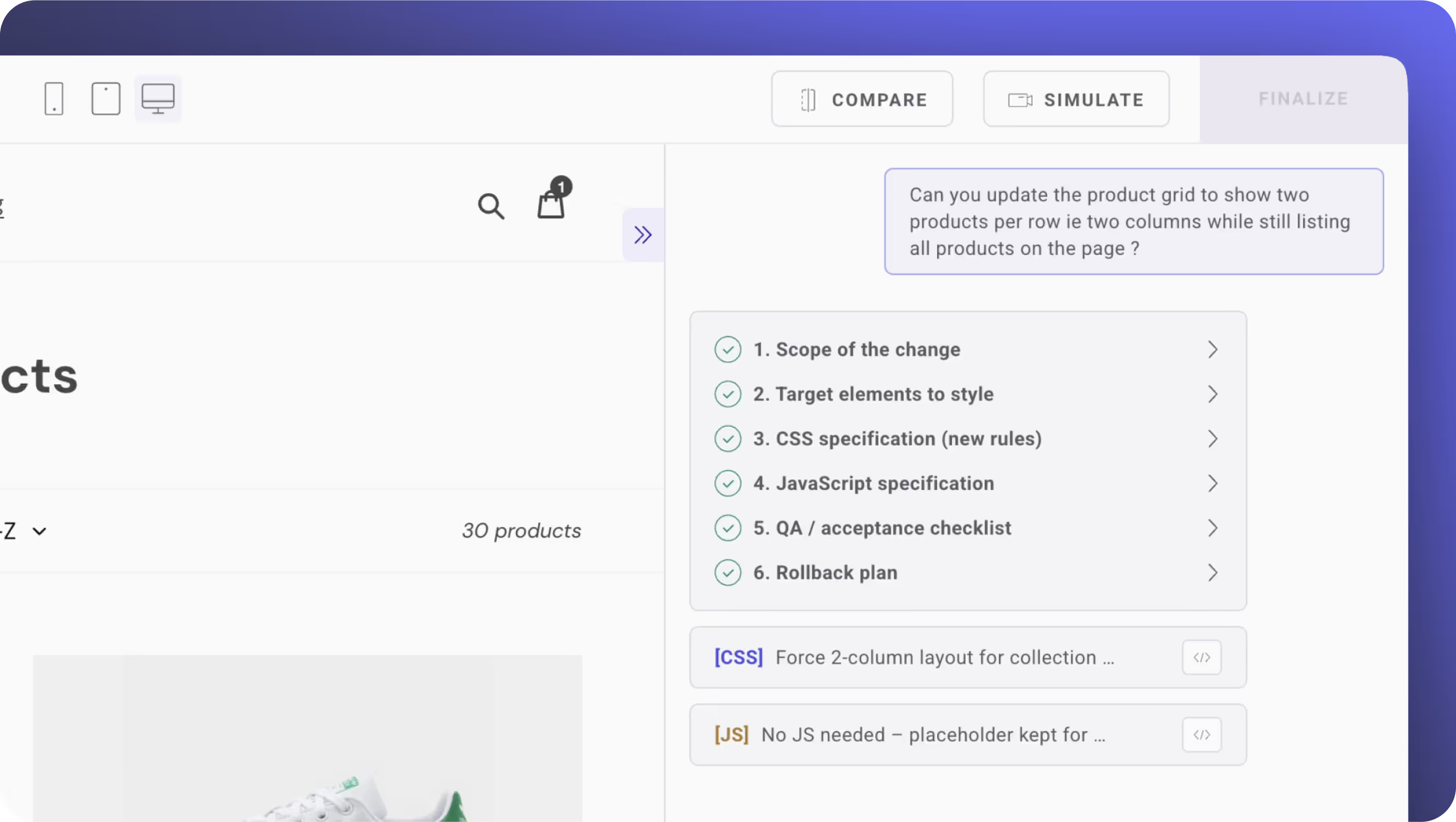
Nach der Installation des Snippets genügt eine Beschreibung des gewünschten Tests: Das System erstellt automatisch ein vollständiges Experiment – inklusive Varianten-Erstellung, Targeting, Traffic-Verteilung und KPI-Tracking.
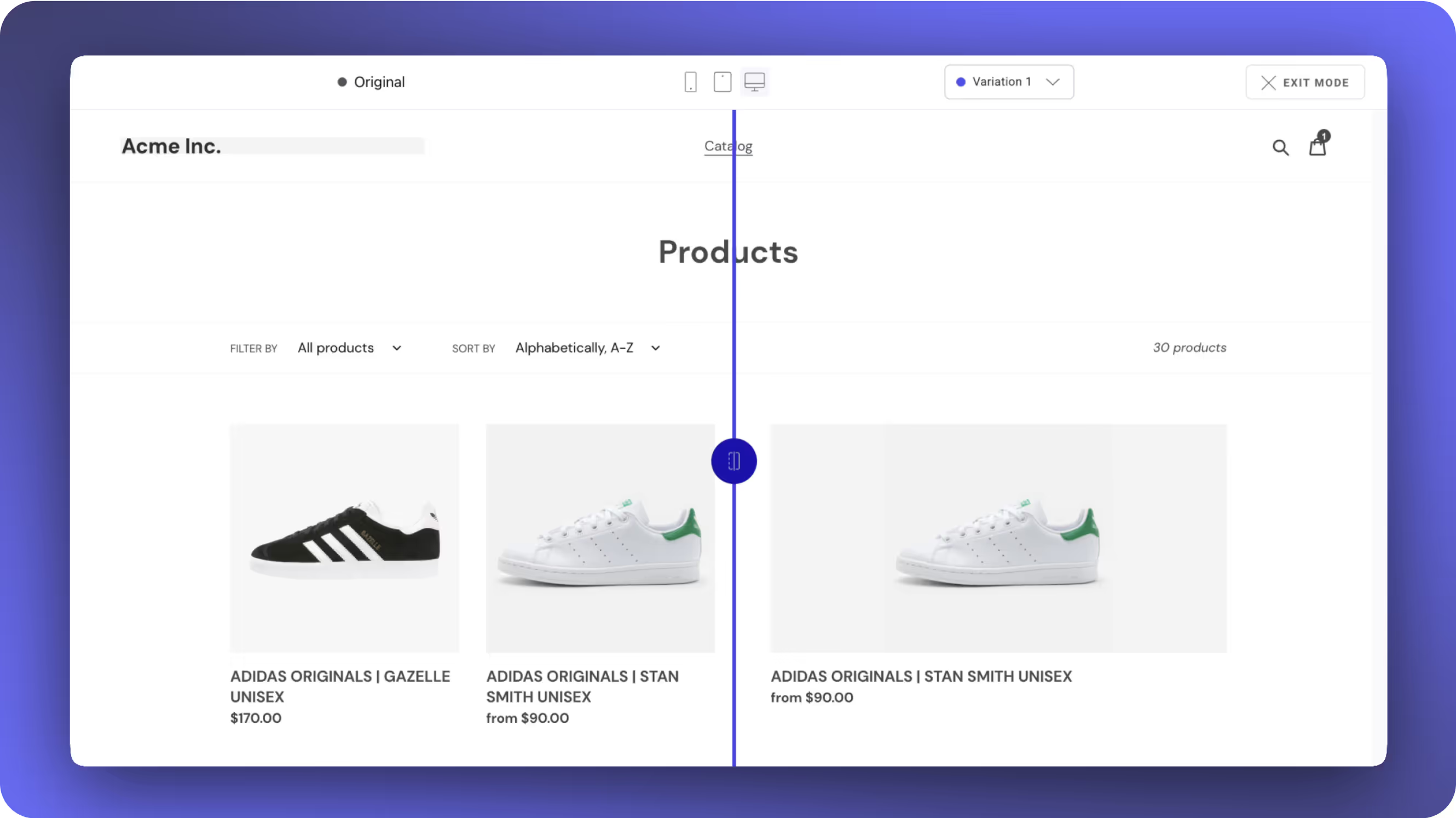
Vor der Live-Schaltung können Teams den Test simulieren und feinjustieren.
Kameleoon übernimmt dabei die technische Umsetzung und ermöglicht es Teams, Experimente schneller umzusetzen, ohne auf eine saubere, datenbasierte Methodik zu verzichten.
Welche Probleme löst Prompt-Based Experimentation?
Viele Legacy-Experimentation-Tools basieren auf visuellen Editoren, die für frühere Webarchitekturen konzipiert wurden. In modernen Umgebungen mit SPAs, Dynamic Content und individuellen Frameworks stoßen sie schnell an ihre Grenzen und skalieren dabei nicht zuverlässig.
Anstatt diese strukturellen Herausforderungen zu lösen, ergänzen viele Anbieter ihre Lösungen um AI-Funktionen mit begrenztem Mehrwert – etwa zur Texterstellung oder Bildgenerierung. Diese bleiben jedoch auf einer oberflächlichen Ebene und adressieren die eigentlichen Experimentation-Probleme nicht.
Prompt-Based Experimentation (PBX) setzt genau hier an. Teams beschreiben gewünschte Änderungen in natürlicher Sprache und definieren anschließend Zielgruppen, KPIs und Testparameter. Das System erstellt daraufhin ein vollständiges Experiment inklusive Umsetzung, Targeting und Analyse.
So wird aus „Das sollten wir testen“ unmittelbar „Wir testen es“ – ohne Verzögerungen, Tickets oder Kompromisse. PBX beschleunigt keinen ineffizienten Prozess, sondern ersetzt ihn vollständig.
Der Unterschied zwischen Prompt-Based Experimentation und agentic AI Experimentation
Prompt-Based Experimentation und agentic AI Experimentation unterscheiden sich grundlegend in ihrem Experimentation-Ansatz.
Agentic AI Experimentation arbeitet reaktiv: Systeme analysieren kontinuierlich Daten, erkennen Abweichungen – beispielsweise eine sinkende Conversion Rate – und leiten daraus Handlungsempfehlungen ab. Ohne zusätzlichen Kontext können diese Vorschläge jedoch ungenau oder wenig zielführend sein. Die Priorisierung erfolgt durch das System, während Teams die Ergebnisse interpretieren müssen.
Prompt-Based Experimentation verfolgt einen proaktiven Ansatz. Experimente werden bewusst initiiert: Teams definieren Hypothesen, beschreiben gewünschte Änderungen und setzen diese direkt um. Der Prozess ist klar strukturiert und zielgerichtet – von der Idee bis zur Umsetzung.
Der zentrale Unterschied: Prompt-Based Experimentation beginnt mit einer klaren Intention, während agentic Systeme von Datenanomalien ausgehen und rückwärts arbeiten.
Mit der zunehmenden Verbreitung von GenAI gewinnt diese Differenz an Bedeutung. Auch wenn Automatisierung Prozesse beschleunigt, bleiben menschliche Einordnung, Datenkompetenz und strategische Zielsetzung entscheidend. Prompt-Based Experimentation stellt sicher, dass diese Kontrolle erhalten bleibt.
Prompt-Based Experimentation unterstützt jede Form von Experimentation, einschließlich Personalisierung
Experimentation folgt keinem festen Schema, sondern richtet sich nach den jeweiligen Optimierungszielen. Prompt-Based Experimentation ermöglicht es Teams, Experiences flexibel zu gestalten und gezielt auszuspielen, indem sie Anforderungen in natürlicher Sprache formulieren – inklusive Zielgruppe und Erfolgsmetriken.
Ein zusätzlicher Vorteil liegt in der direkten Verbindung von Experimentation und Personalization. Erstellung und Targeting erfolgen in einem Schritt, ohne dass zwischen Tools gewechselt oder manuelle Setups durchgeführt werden müssen.
Typische Targeting-Beispiele mit Kameleoon:
- Ausspielung für mobile Nutzer:innen
- Fokussierung auf wiederkehrende Besucher:innen
- Ansprache von Nutzer:innen ohne abgeschlossenen Checkout
- Targeting neuer Besucher:innen
Regionale Aussteuerung, z. B. für Nutzer:innen in Deutschland
Damit lassen sich unterschiedliche Experimentationsziele effizient umsetzen.

Je mehr getestet wird, desto wichtiger sind Richtlinien
PBX öffnet neuen Zugang zu Experimentation: Jede:r kann bauen, launchen und testen. Das ist sowohl ein Fortschritt als auch ein Risiko.
Ohne klare Richtlinien können zu viele unausgereifte Varianten ausgerollt werden. Ohne saubere Methodik steigt zudem das Risiko, falsche Erkenntnisse aus Daten abzuleiten.
Deshalb sind Richtlinien ein zentraler Bestandteil:
- KPIs müssen klar an geschäftliche Ziele gekoppelt sein
- Targeting und Traffic-Verteilung müssen valide und konsistent sein
- Statistische Auswertungen müssen den notwendigen Anforderungen entsprechen
- Unterschiedliche Methoden sollten flexibel eingesetzt werden können
- Erkenntnisse müssen systemübergreifend verknüpft sein
Je einfacher es wird, Experimente zu erstellen, desto wichtiger wird eine strukturierte und disziplinierte Vorgehensweise.
Experimentation braucht nicht nur Geschwindigkeit, sondern auch Verlässlichkeit.
Prompt-Based Experimentation integriert sich in den gesamten Tech-Stack – nicht nur in das UI
ie Entwicklung einer neuen digitalen Experience stellt lediglich den Ausgangspunkt dar – nicht das eigentliche Experiment.
Erst durch gezieltes Testing mit klar definiertem Targeting, kontrollierter Traffic-Verteilung und belastbarer Messung entsteht echter Erkenntnisgewinn. Genau hier setzt Prompt-Based Experimentation an.
Voraussetzung dafür ist die Integration in bestehende Daten- und Analytics-Ökosysteme. Prompt-Based Experimentation ermöglicht diese nahtlose Anbindung:
„Target audiences aus dem Snowflake-Data-Warehouse nutzen.“
„Ergebnisse an FullStory und Snowplow senden.“
„Insights in Airtable dokumentieren.“
Im Fokus steht nicht nur die Erstellung von Experiences, sondern das systematische Lernen auf Basis realer Daten.
Durch die direkte Integration entfallen manuelle Schnittstellen und fragmentierte Toollandschaften – Experimente werden Teil des bestehenden Workflows.
Wie Prompt-Based Experimentation Teams unterstützt und stärkt
Durch Experimentation via Prompts können Teams ihre Websites und Webprodukte gezielt verbessern, indem sie Ideen schnell in konkrete, testbare Experiences überführen.
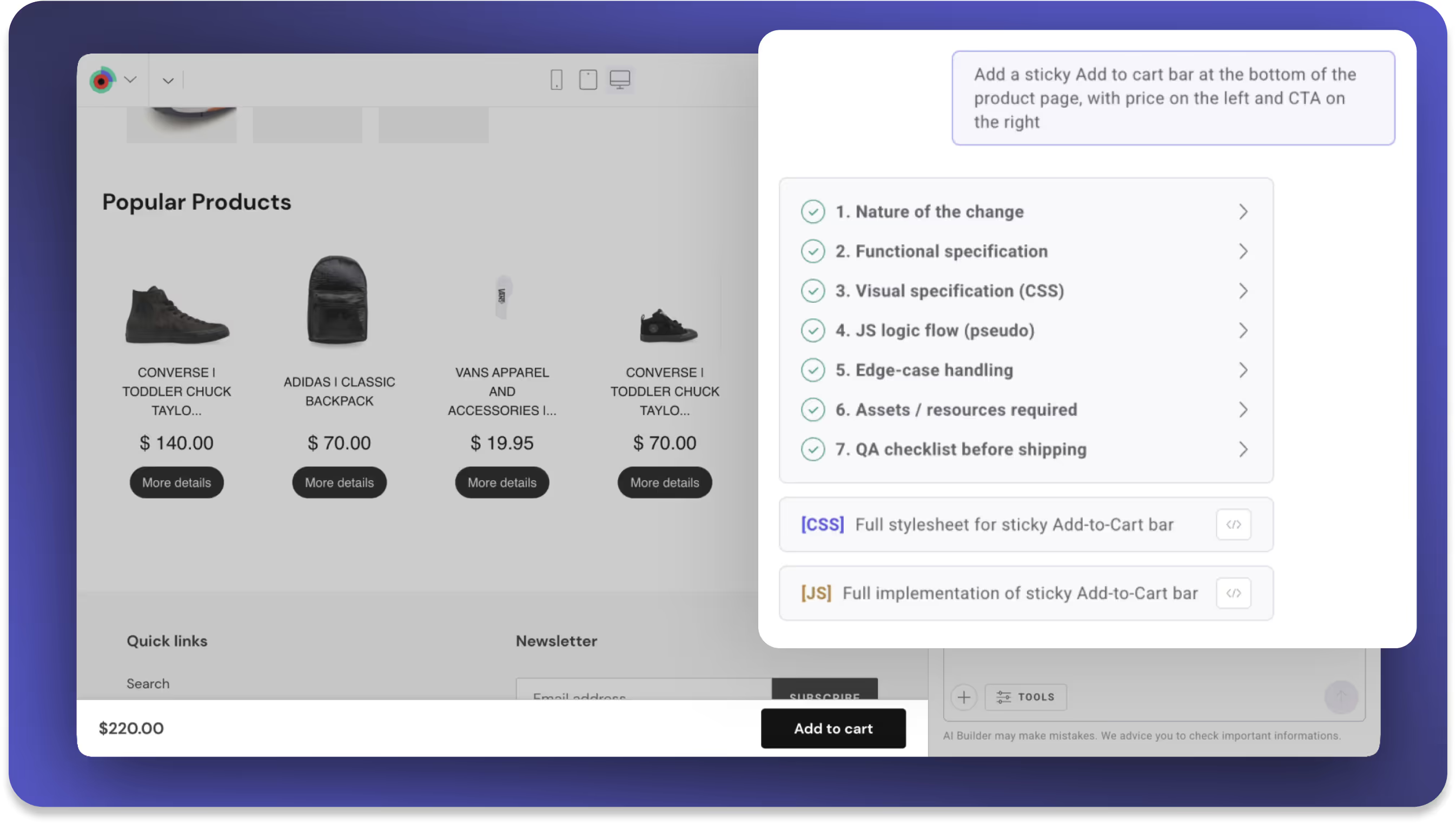
Marketing-, Product-, Growth- und Entwicklerteams können Experimente direkt über natürliche Sprache umsetzen, ohne auf Übergaben warten zu müssen oder Entwicklungsaufwand. So gestaltet sich der Einsatz für die jeweiligen Teams.
Prompts für Marketing-Teams
- „Erstelle einen Rabatt-Banner für mobile Nutzer:innen mit Warenkorbabbruch. Im Einklang mit dem Designsystem umsetzen. Klickrate und Conversion messen.“
- „Setze ein lokationsbasiertes Pop-up für Besucher:innen aus Deutschland auf, das kostenlosen Versand bewirbt. Definiere 15 % des Traffics als Holdout. Tracke Bounce Rate und Engagement.“
- „Implementiere ein Newsletter-Formular bei 75 % Scrolltiefe im Blog. Gestalte gemäß Markenrichtlinien. Messe den Erfolg anhand der Signup-Rate.“
Prompts für Product Manager
- „Implementiere ein mehrstufiges Quiz für das Onboarding von Freemium-Nutzer:innen. Gestaltung gemäß Designsystem. Drop-off-Raten und Conversion von Trial zu Paid analysieren.“
- „Integriere eine dynamische Umfrage zum Pricing-Verständnis, ausgelöst nach der Auswahl eines Tarifs. Tracke Nutzerfeedback und Planwechsel.“
- „Entwickle ein Floating-Widget zur Erklärung neuer Funktionen. Zielgruppe: eingeloggte Nutzer:innen. Messe den Einfluss auf die Feature-Nutzung vor und nach der Einführung.“
Prompts für Growth-Teams
- „Konzipiere und teste einen Promotional Banner für Nutzer:innen mit einem Warenkorbwert über 50€. Gestalte im Kontext der jeweiligen Produktkategorie. Analysiere AOV und Checkout-Conversion.“
- „Implementiere ein Pop-up-Quiz zur Produktempfehlung basierend auf Nutzerpräferenzen. Zielgruppe: wiederkehrende Besucher:innen. Messe den Erfolg anhand von Quiz-Completion und Produktinteraktionen.“
- „Setze eine Exit-Intent-Umfrage auf Kategorie-Seiten auf, um Feedback zur Shopping Experience zu erfassen. Werte den Einfluss auf Completion Rate und Return Visits aus.“
Prompts für Entwickler-Teams
- „Implementiere eine Sticky Header-Bar zur Anzeige aktiver Promotionen unter Verwendung bestehender System-Styles. Analysiere Nutzerinteraktionen und Dismissals.“
- „Integriere ein mobiles Feedback-Formular auf der Cart-Seite, das nach einer Phase der Inaktivität ausgelöst wird. Werte Submissions und Zufriedenheit aus.“
- „Entwickle ein animiertes Tooltip für neue Features in der Navigation, das bei Hover erscheint. Messe Interaktionen wie Hover-Dauer und Klicks.“
Prompt-Based Experimentation entwickelt sich rasant weiter
Prompt-Based Experimentation wächst und entwickelt sich rasant.

Prompt-Based Experimentation nutzt GenAI-Modelle, die sich schnell weiterentwickeln und kontinuierlich neue Möglichkeiten für präzisere und umfassendere Tests eröffnen.
Gleichzeitig stehen Teams unter wachsendem Druck, schneller zu iterieren und Erkenntnisse in Echtzeit zu gewinnen. Zwar stehen Tools für Ideation, Entwicklung und Analyse zur Verfügung, doch diese sind häufig nicht miteinander verbunden.
Das führt dazu, dass Ideen zwar umgesetzt werden, jedoch oft ohne strukturierte Testmethodik: ohne klar definiertes Targeting, ohne saubere Traffic-Verteilung und ohne messbare KPIs.
Solche Änderungen sind keine Experimente, sondern unvalidierte Anpassungen im Live-Betrieb.
PBX setzt genau hier an.
Es geht nicht nur darum, schneller zu bauen, sondern darum, valide Experimente zu erstellen – mit echten Zielgruppen, klaren Metriken und strukturierter Methodik.
PBX verändert bereits heute, wie Teams Ideen entwickeln, umsetzen und analysieren. Künftig wird es den gesamten Testprozess steuern:
- Wen targeten
- Wie Traffic aufteilen
- Welche KPIs messen
- Wohin Ergebnisse fließen
Damit wird Experimentation von einem fragmentierten Prozess zu einem integrierten, steuerbaren Workflow.
Prompt-Based Experimentation kostenlos testen
Die kostenlose Testversion von Prompt-Based Experimentation by Kameleoon ermöglicht einen direkten Einstieg: Experimente auf der eigenen Website umsetzen, per AI-Chat erstellen und eine neue Art der Interaktion mit einer Experimentation-Plattform entdecken.
Prompt-Based Experimentation FAQ
Du kannst PBX nach Optimierungsideen fragen und dann selbst entscheiden, welche du umsetzen möchtest – oder dir einfach neue Vorschläge geben lassen. Je konkreter du dein Ziel formulierst, desto besser werden die Ideen, die PBX für dich entwickelt.
Prompt-Based Experimentation reduziert den Bedarf an Entwickler:innen bei einzelnen Tests erheblich – aber sie bleiben weiterhin zentrale Partner, wenn es um Qualität, Skalierbarkeit und die Integration über Teams hinweg geht. Durch den Einsatz von Prompts kannst du Tests schneller umsetzen – ohne auf jedes Mal technische Unterstützung angewiesen zu sein. Für nachhaltige Qualität und eine nahtlose Einbettung in bestehende Systeme und Prozesse sind Entwickler:innen jedoch nach wie vor unverzichtbar.
Nein. Vibe Experimentation geht weit über klassische visuelle Editoren hinaus. Experimente werden per natürlicher Sprache erstellt, konfiguriert und analysiert – für leistungsfähigeres und zugänglicheres Frontend-Testing.
Ähnlich wie Vibe Coding die sofortige Erstellung von Web-Prototypen per AI-Chat ermöglicht, erlaubt PBX die Entwicklung neuer und optimierter Web-Experiences direkt auf bestehenden Websites. Diese Varianten werden anschließend mit realen Nutzer:innen unter realen Bedingungen getestet. Der kombinierte Prozess aus Erstellung und Testing per AI wird als Vibe Experimentation bezeichnet.
Jedes Mal, wenn du einen Prompt verwendest, wird ein Credit verbraucht. Deine kostenlose Testphase enthält genügend Credits, um alle wichtigen Funktionen auszuprobieren. Wenn du einen Promo-Code für zusätzliche Credits hast, kannst du ihn auf der Seite „Organization“ in deinem Account eingeben. Im Durchschnitt benötigen unsere User etwa drei Credits, um ein Experiment zu erstellen. Bei Fragen kannst du dich jederzeit an contact@kameleoon.com wenden.
Prompt-Based Experimentation (PBX) ist Kameleoons Ansatz für Vibe Experimentation – ein neuer Weg, um Experimente zu entwickeln, zu konfigurieren und zu starten. Mit PBX beschreibst du einfach in natürlicher Sprache, welche Änderungen du auf deiner Website testen möchtest. Die KI erstellt daraufhin automatisch eine Variante und startet das Experiment – ganz ohne Code oder WYSIWYG-Editor.
Ja! Dank der Integrationen von Kameleoon kannst du Prompt-Based Experiments personalisieren und gezielt ausspielen – basierend auf Daten aus deiner Customer Data Platform oder deinem bevorzugten Data Warehouse. Zum Beispiel kannst du Kameleoon mit deiner CDP verbinden und Segmente auf Basis des Abonnement-Levels deiner Kund:innen erstellen. So wird es ganz einfach, Tests nur bei bestimmten Nutzergruppen auszuliefern – direkt über deinen Prompt.
Ja – aber nur mit den richtigen Rahmenbedingungen. Prompt-Based Experimentation kann statistisch fundierte Ergebnisse liefern, wenn du es mit Sorgfalt einsetzt: Dazu gehören valide KPIs, korrekt aufgeteilte Traffic-Segmente, sauberes Targeting und robuste statistische Methoden. Nur so lassen sich aus deinen Tests auch wirklich aussagekräftige und belastbare Erkenntnisse ableiten.
Noch nicht. Da Prompt-Based Experimentation auf sich schnell weiterentwickelnden GenAI-Modellen basiert, wächst seine Leistungsfähigkeit täglich. Es handelt sich um eine völlig neue Art, mit einer Experimentierplattform zu interagieren – und diese entwickelt sich stetig weiter. Du profitierst von einem Ansatz, der heute schon viel kann – und morgen noch mehr.
Nein. Prompt-Based Experimentation erstellt testbereite Varianten von digitalen Erlebnissen – einfach durch den Dialog mit einer KI. Es ersetzt weder Design- noch Content-Management-Systeme, sondern ergänzt sie. Design und Content werden weiterhin dort gepflegt, wo sie hingehören – Prompt-Based Experimentation sorgt dafür, dass du sie schnell, gezielt und datengestützt testen kannst.
Nein. Prompt-Based Experimentation konzentriert sich auf digitale Frontend-Erlebnisse – also auf die Optimierung von UI, UX und Messaging. Es ergänzt andere Methoden wie Feature Flagging, serverseitiges Testen oder Mobile App Experimentation – ersetzt sie jedoch nicht.
Nein. Prompt-basiertes Testen verwandelt einen Prompt in ein testbares digitales Erlebnis. „Prompts testen“ bedeutet hingegen, die Prompts selbst zu optimieren – meist im Rahmen von Backend- oder serverseitigen Experimenten. Beim Prompt-Testing geht es also nicht darum, den Prompt zu verbessern, sondern darum, mit einem Prompt ein konkretes Frontend-Experiment zu starten.