Vibe experimentation in 2025: What it is and why it matters now


AI has been a part of experimentation for close to a decade already. It accelerates test creation, optimizes allocation, and improves personalization. Today, AI is an indispensable part of every experimenter’s toolkit.
But AI’s generative capabilities have vastly increased since 2024. Originally, experimenters used machine learning tools, including multi-armed bandits, opportunity detection, and AI targeting. In the last few years, this has led to content-generating LLMs, which led to vibe coding, and now, in 2025, to vibe experimentation.
In this article, we dive into what vibe experimentation is, how it fits into the experimenter’s stack, and how best to use it as a marketer, product manager, or developer.
How is vibe experimentation different from vibe coding?
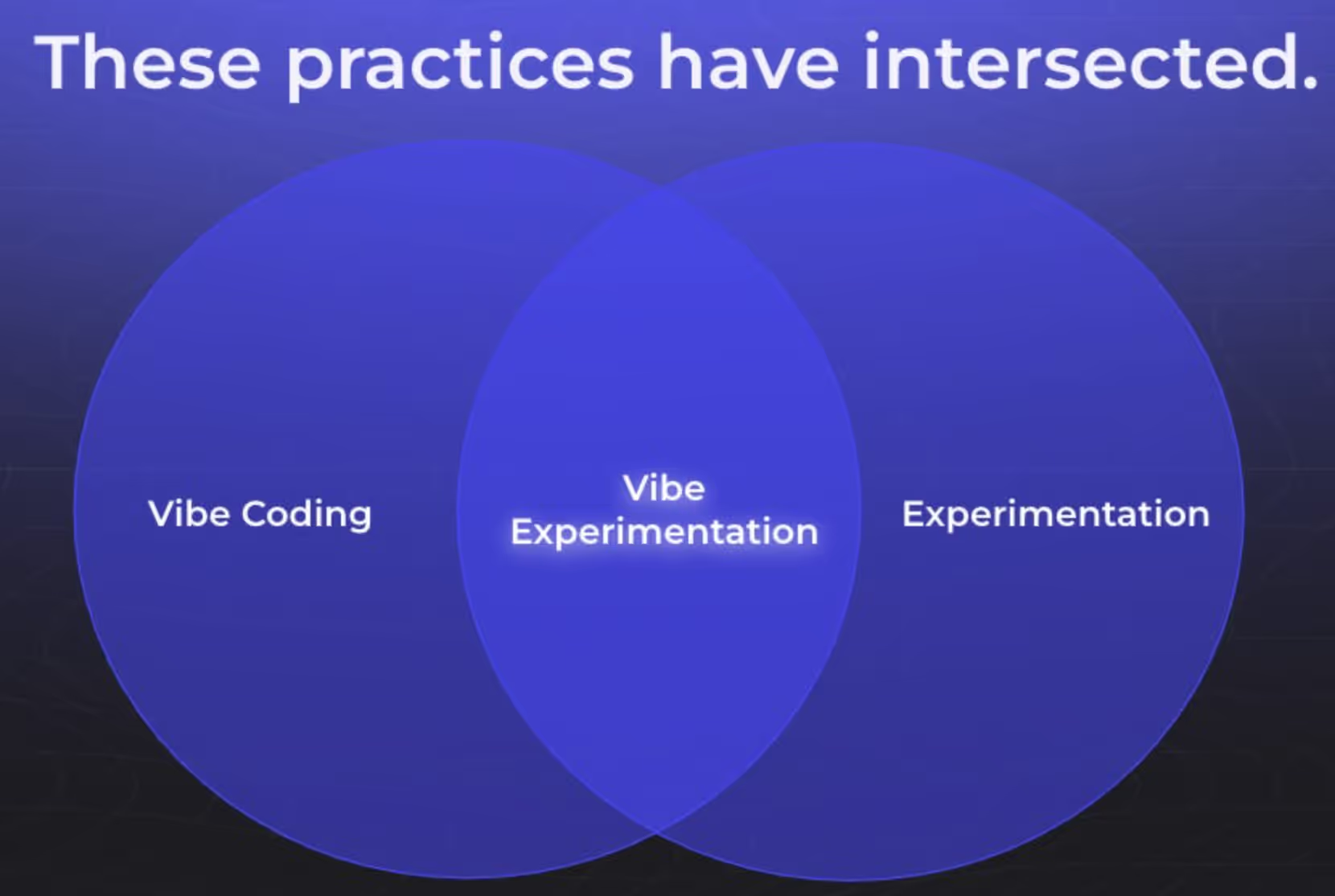
Empowering experimentation with AI is not the same as vibe experimentation. Vibe experimentation builds on vibe coding, but takes the concept a step further.
Vibe coding builds outside your website
Vibe coding means using natural-language prompts to build, refine, and debug code. It can be used to quickly build prototypes, apps, and webpages from scratch.
Here’s a quiz designed to help customers choose the right food for their pet. It was created in minutes by the vibe coding tool Lovable. Awesome. Right?
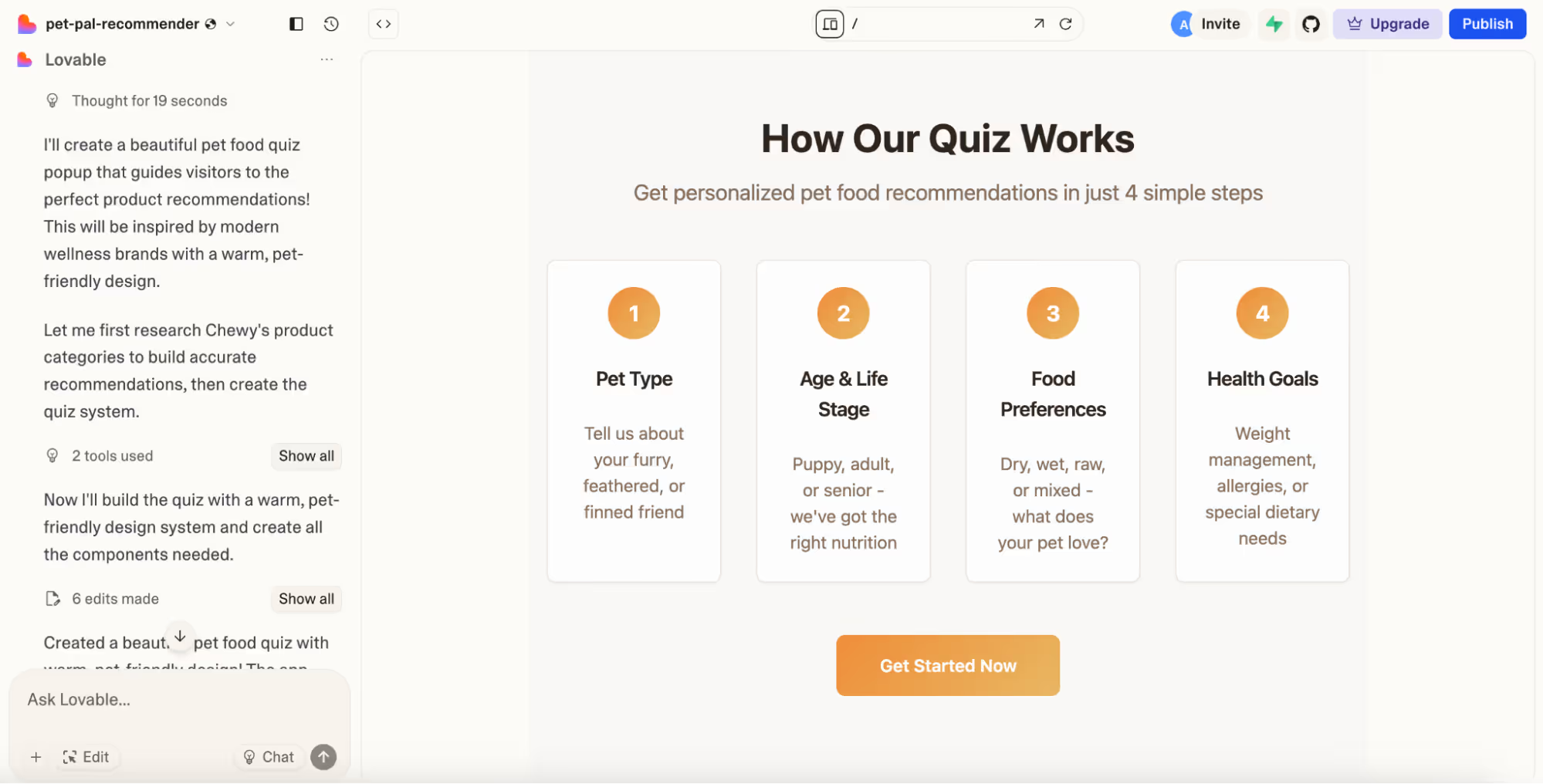
The AI builds the quiz, but the user still needs to convert the whole thing to match their brand and site architecture. They have to transfer that code to their site and refine it before they can even think about testing if the quiz helps their business. They moved fast. Yay! But then they slowed back down. The build portion is empowered by AI, but the test itself is launched manually and with a lot of lifting.
Vibe experimentation builds INSIDE your website
Vibe experimentation is the practice of creating production-grade, experiment-ready UI variations using generative AI tools that are integrated with your product’s design system and code base.
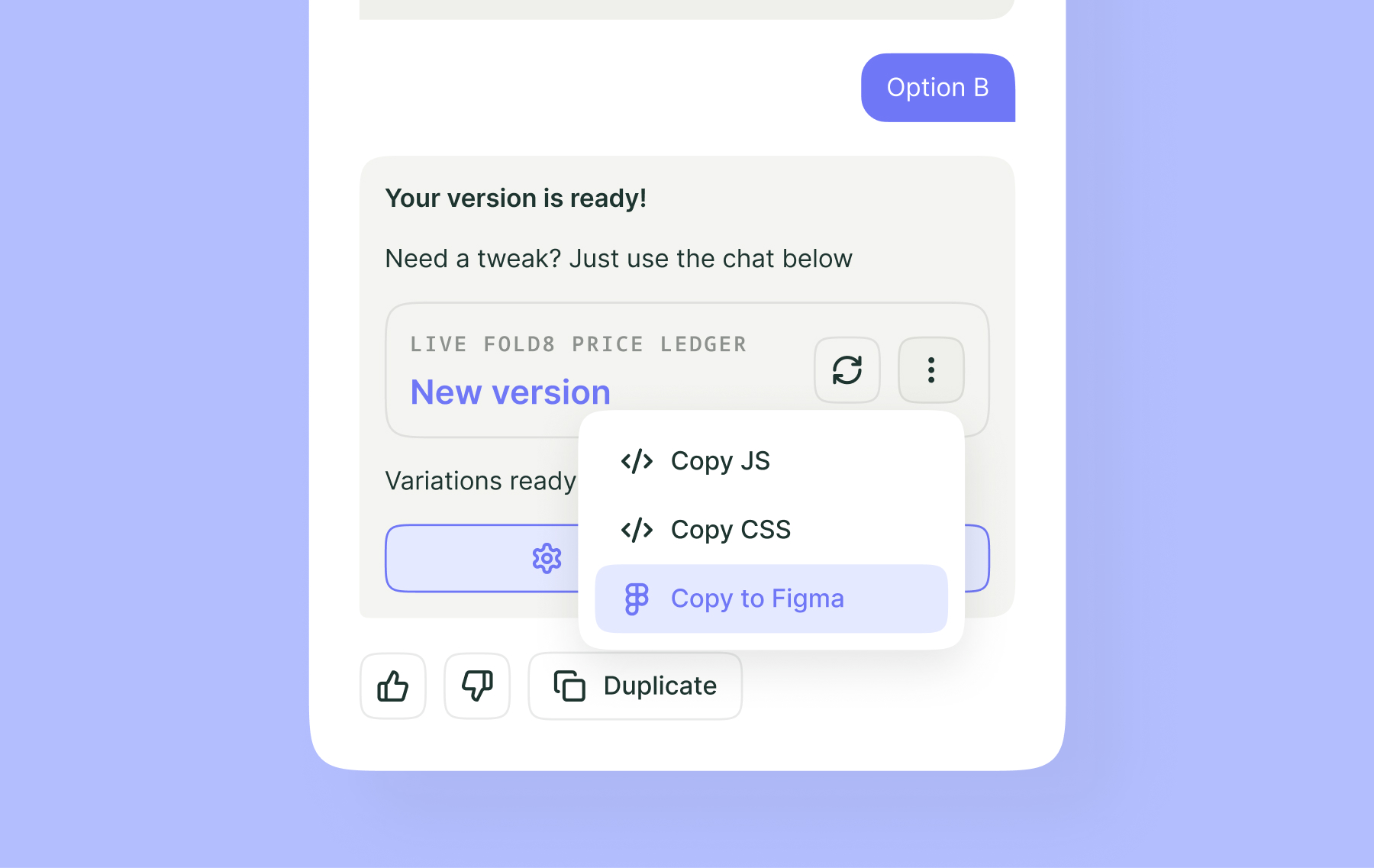
Here’s that same quiz, done directly on Chewy.com with Prompt-based Experimentation.

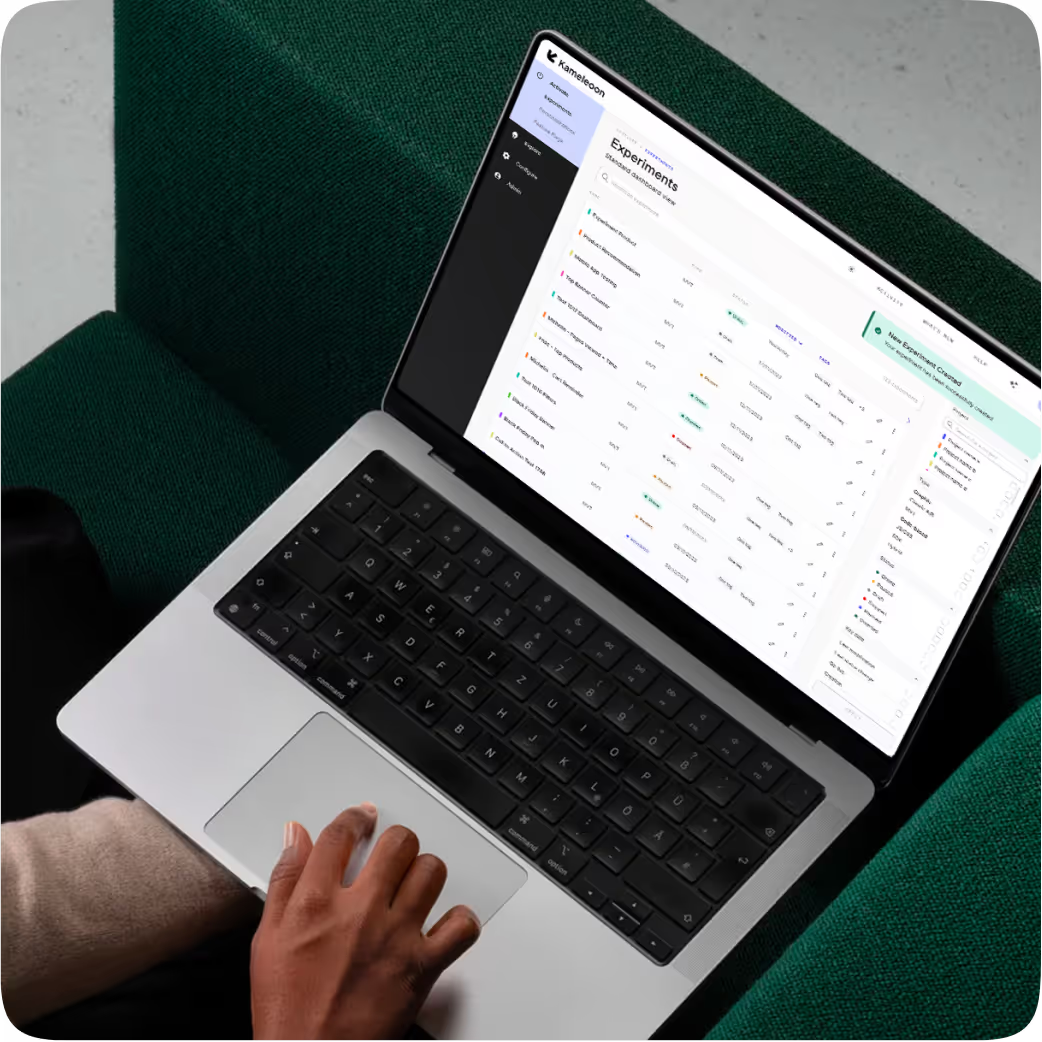
Practicing vibe experimentation inside a tool like Kameleoon, there’s no need to leave the experimentation platform to build what you want.
You prompt the platform with your test idea. The platform builds the product following your brand and your site architecture. It supplies all the CS/JS code. Teams can QA the provided code and simulate the test as always.
Once the creation matches your expectations, the experimentation platform launches what you built as a test immediately.
What used to take days or weeks now takes minutes.
Marcella Gutierrez, Director of Digital Experience at Fossil, credits vibe experimentation with launching experiments in real time, up from just a few per quarter.
How vibe experimentation better complements your existing stack
Using generative AI tools integrated with your product’s code base is a key component of vibe experimentation. Building in parallel with your stack and merging later is simply vibe coding.
That’s why all-in-one solutions are crucial. It’s possible to vibe code variants in Lovable, launch the test in Kameleoon, and track the results in your analytics tools, but more integrations means more opportunities to miss concepts, lose data, and slow down learnings.
The best way to avoid the main pitfall of experimentation is to eliminate any unnecessary reason why a developer is forced to be involved (they should want to, not be hamstrung).
By building and testing in one single platform that is connected to your larger tech stack, you take out the main headache that kills most platforms.
Kameleoon is the only platform that fulfills that promise.
How to get the most out of vibe experimentation
Vibe experimentation is valuable for all team types: marketing, product, and engineering.
For marketers and product teams, the value is easy: instant, release-ready variations that can be quickly assessed and launched. They save time for the non-technical teams and reduce backlog for the developers who would otherwise have to implement the tests.
Kameleoon’s prompt-based experimentation decreases the time required to create tests by 97%.
Vibe experimentation, used properly, is a massive time-saver.
But vibe experimentation cannot replace human creativity.
Developers, marketers, and product teams get the most out of vibe experimentation when they use it to iterate and build web products quickly and learn from their creations. The human is in charge, not just approving an AI-generated list of ideas to test.
Vibe experimentation takes vibe coding a step further
Vibe experimentation empowers us to learn faster. Whether through AI prompts, agents, or assistants, using AI to natively launch experiments drastically decreases the amount of time it takes to run them.
This means you can run more experiments without sacrificing rigor and collect even more information about your customers, visitors, and users.
That “so crazy it just might work” idea from the Wednesday all-hands? Vibe experiment: build it Thursday and, if it doesn’t work, axe it before the weekend starts. It’s an AI integration, but it’s still all up to you.
Ready to get started with vibe experimentation? Start your free trial for prompt-based experimentation today!
.jpg)