Introducing our new AI personalization solution, powered by PBX

Kameleoon’s personalization solution has long empowered experimenters to build, monitor, and test personalization at scale. Now, we’re overhauling that platform to make personalizations easier and more intuitive to build and run, using Prompt-based Experimentation as an accelerator.
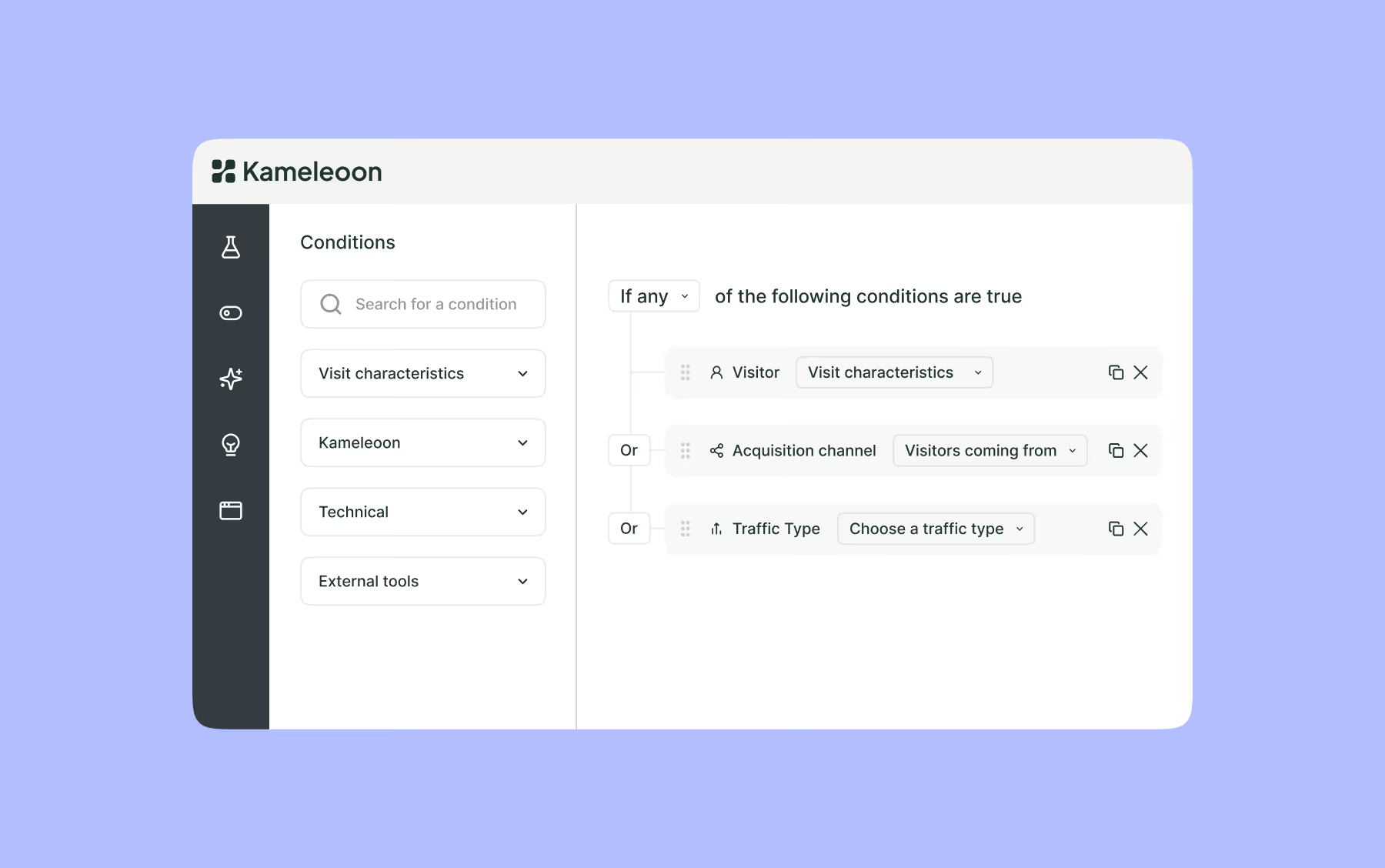
This new platform is supported by new, separate, segment and trigger builders that enable more powerful targeting capabilities for experiments and drives forward Kameleoon's vision of unlocking customer experience optimization through a rapid experimentation and personalization loop.
Build personalized experiences using Prompt-based Experimentation (PBX)
Creating multi-layered personalization campaigns historically required managing fragmented rules across multiple setups. Kameleoon’s new campaign builder consolidates this process.
The new personalization platform empowers users to create personalization content using any editor they prefer. This includes PBX, allowing you to use AI to build personalized experiences directly onto your live site using only natural language prompts and drastically reduces reliance on design and engineering resources, accelerating your time-to-market.
Multi-faceted targeting campaigns for diverse audiences and segments
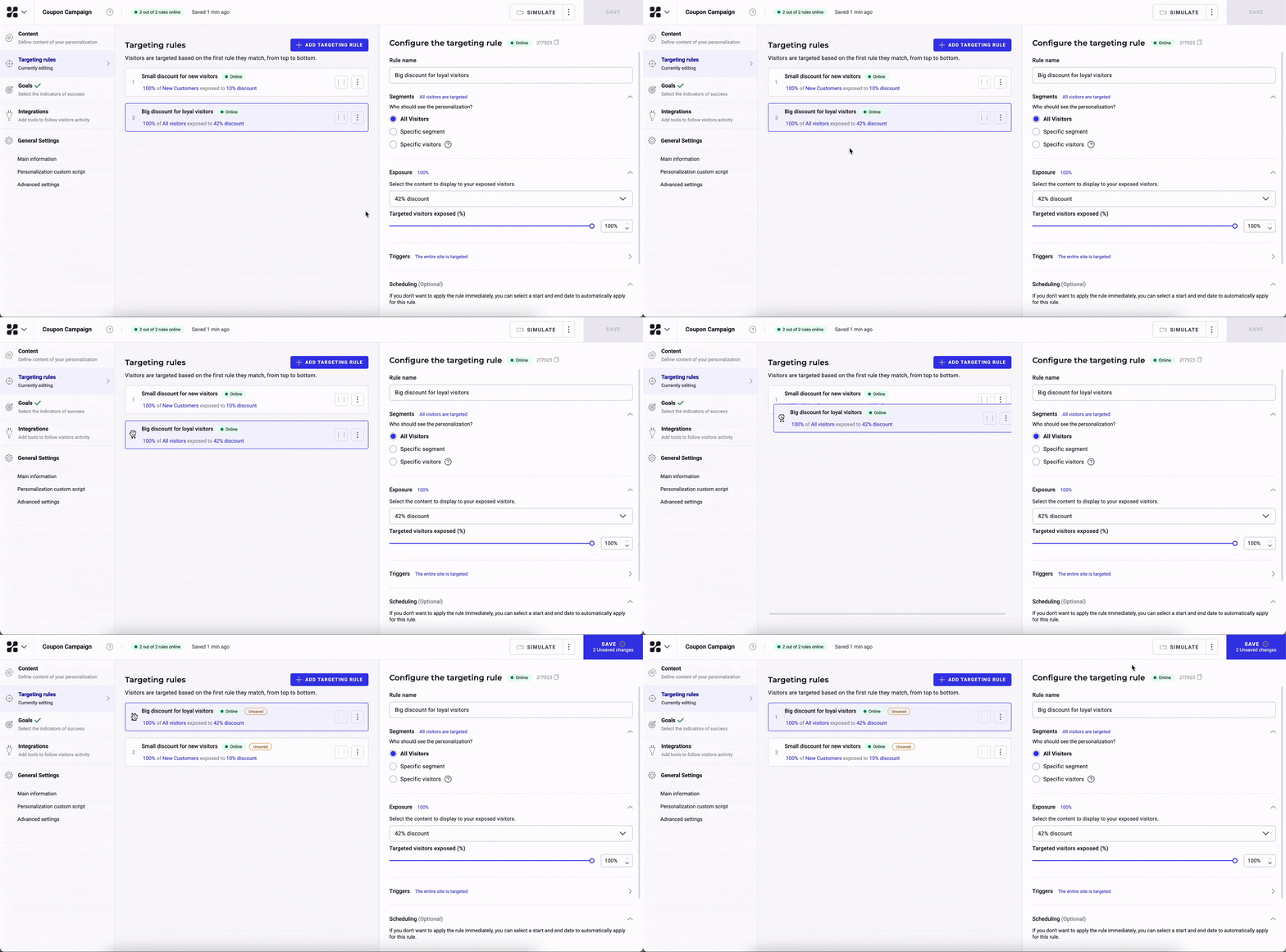
Using the new campaign builder, you can set up personalization campaigns with different targeting rules for each content variant and audience, allowing you to manage every experience or sub-campaign from an expanded, double-click-to-use workspace designed for speed.
{{blue-block-1}}
We designed the process to be similar to our web and feature experimentation flows, to make it more intuitive for existing users.
Alongside these, we’ve updated the interface for a clearer experience, improved the capability of available targeting rules, and are shipping the update alongside new segment and trigger builders.
Segment and trigger builders for precision targeting
To deliver true personalization, you must understand both who the user is and what they are doing at the moment.
Kameleoon has structurally separated segments and triggers to provide unprecedented targeting flexibility. These work alongside our existing in-house machine learning algorithms for powerful AI scoring and targeting.
- Segments: Segments define who a visitor is and their characteristics. They help you target users based on their attributes, behaviors, and past interactions.
- Triggers: A trigger defines the specific conditions that must be met for an experiment or personalization to activate. You use triggers to target visitors based on their real-time behavior or characteristics.
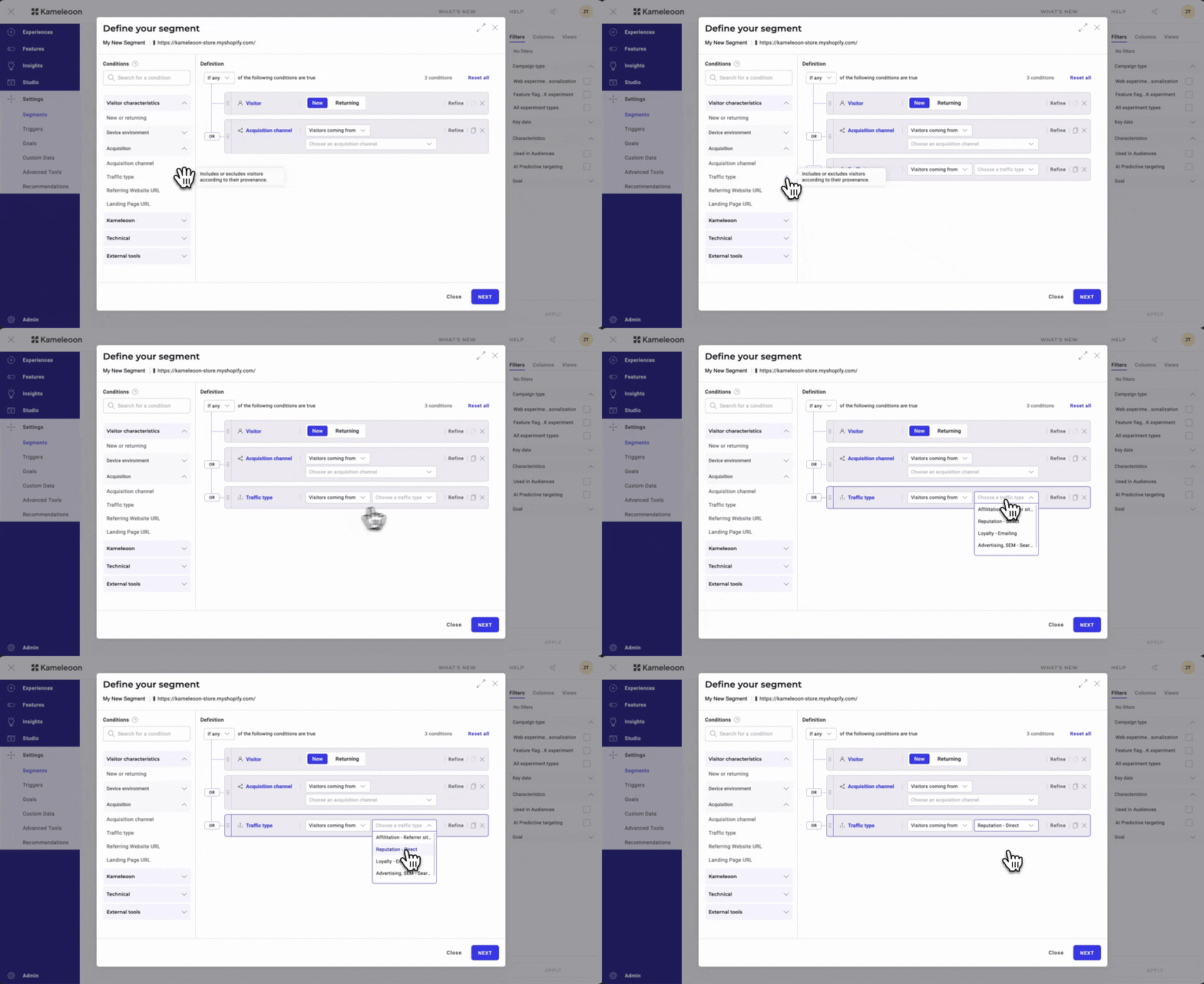
By combining deep historical data with real-time intent, teams can deliver hyper-contextual experiences that drive conversion.
Segments built from prior session data for stronger personalizations
We’ve also introduced the ability to target users based on data collected from past sessions. This means you can more accurately target users based on their purchasing patterns and past behaviors, such as seeing a specific product at least twice, or those who have not made an order over the past three visits.
For example, you can now create segments based on “last product page viewed” and personalize future visits to begin with that same category loaded. Once they do convert, you can create new segments based on past purchased items that promote carefully-considered products to pair with those recent purchases.
{{quote}}
These improvements will make it easier for all users to target, personalize, and customize multiple experiences using personalizations in Kameleoon, and are available now for all users.
.jpg)
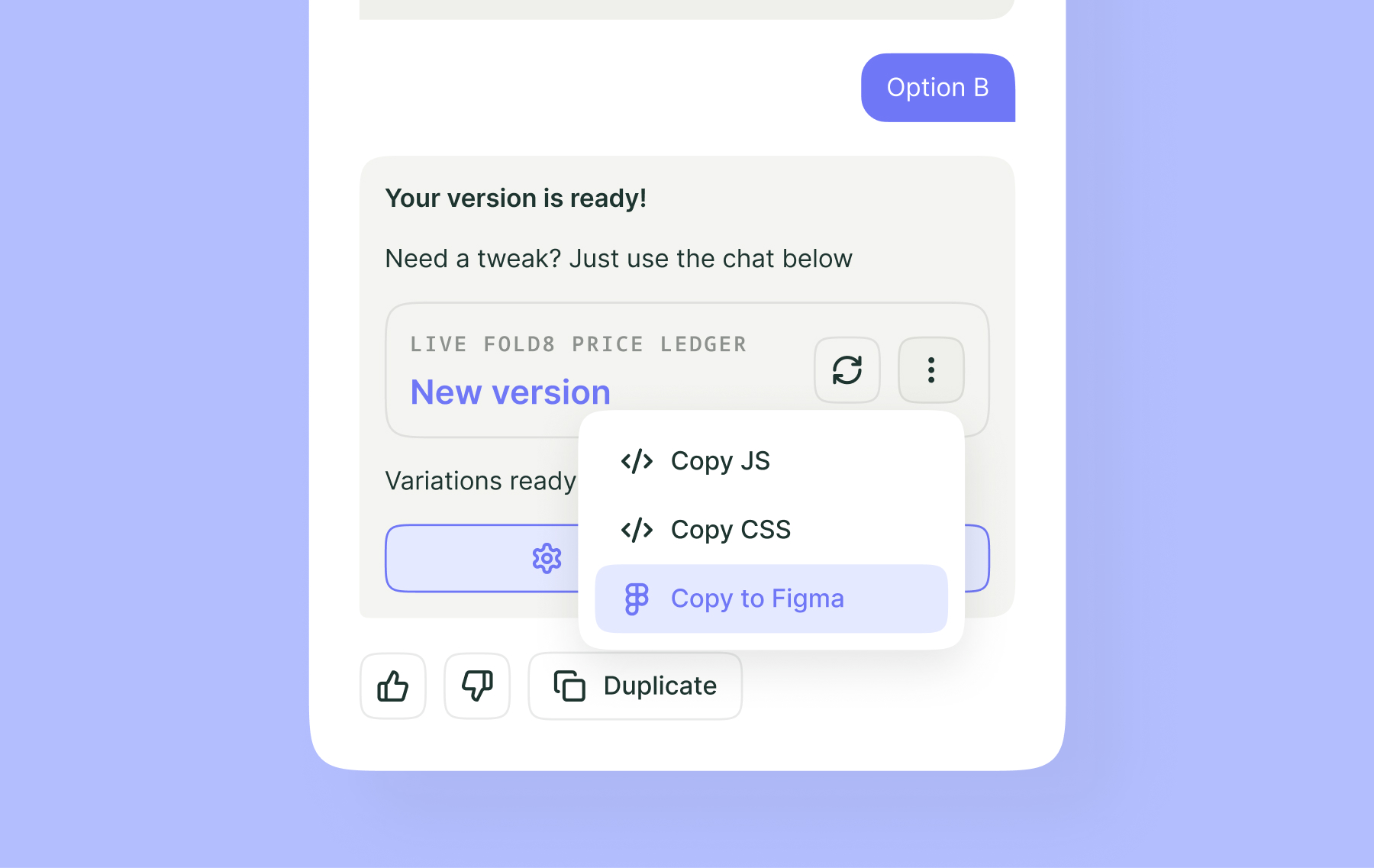

Kameleoon's vision has always been about removing friction from the experimentation loop. With this update, we are connecting AI-driven content creation with experimentation. It empowers digital teams to continuously test, learn, and deploy hyper-targeted content to distinct audiences at scale, without ever slowing down.


For example, if you’re running North American Black Friday deals on your e-commerce store, you might need to run a campaign showing readers three unique discount codes depending on their geographies. Now, you can now do so using a single personalization campaign by defining three geographical targeting rules for the three unique codes, showing visitors from the United States, Canada, and Mexico different codes aligning to each national business’s needs.
Done this way, the entire Black Friday campaign lives under a single personalization campaign, making it easier to manage, track, and analyze.